10 Warning Signs You May Have Sleep Apnea and Not Know It
10 Warning Signs You May Have Sleep Apnea and Not Know It
Millions of Americans struggle with sleep apnea without even realizing it. Many people assume their tiredness, headaches, or lack of energy are simply part of a busy lifestyle. However, these symptoms may be signs of an underlying sleep disorder.
Recognizing the early warning signs of sleep apnea can help individuals seek medical evaluation and improve their overall sleep health.
What Is Sleep Apnea?
Sleep apnea is a condition that causes repeated interruptions in breathing during sleep. These interruptions can occur many times throughout the night and may affect sleep quality, energy levels, and overall well-being.
1. Loud and Frequent Snoring
One of the most common warning signs is loud, persistent snoring. While not everyone who snores has sleep apnea, frequent snoring may indicate breathing difficulties during sleep.
2. Waking Up Tired Every Morning
If you regularly wake up feeling exhausted despite getting enough hours of sleep, poor sleep quality could be a contributing factor.
3. Daytime Fatigue
Feeling sleepy during meetings, while watching television, or even while driving may indicate that your sleep is not as restorative as it should be.
4. Morning Headaches
Frequent morning headaches are commonly reported by people experiencing disrupted breathing during sleep.
5. Difficulty Concentrating
Poor-quality sleep can affect memory, focus, decision-making, and productivity throughout the day.
6. Mood Changes
Sleep disruptions may contribute to irritability, stress, anxiety, and mood swings.
7. Dry Mouth Upon Waking
Many individuals with sleep-related breathing issues wake up with a dry mouth or sore throat.
8. Frequent Nighttime Awakenings
Waking up multiple times throughout the night can interfere with healthy sleep cycles.
9. High Blood Pressure
Sleep health and cardiovascular health are closely connected. Poor sleep may impact overall wellness.
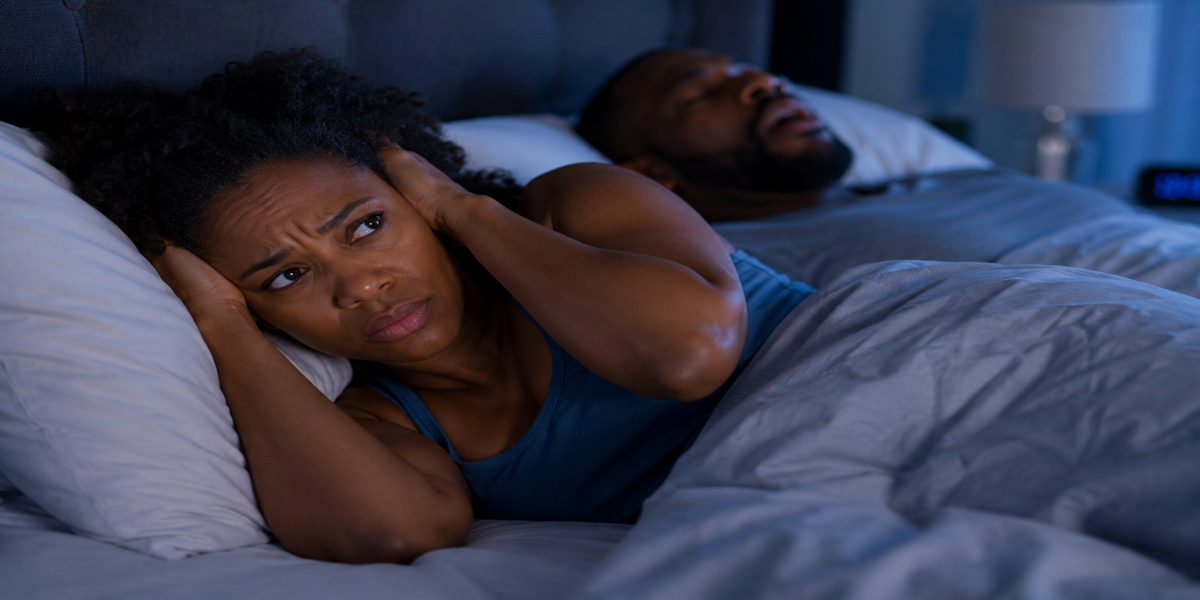
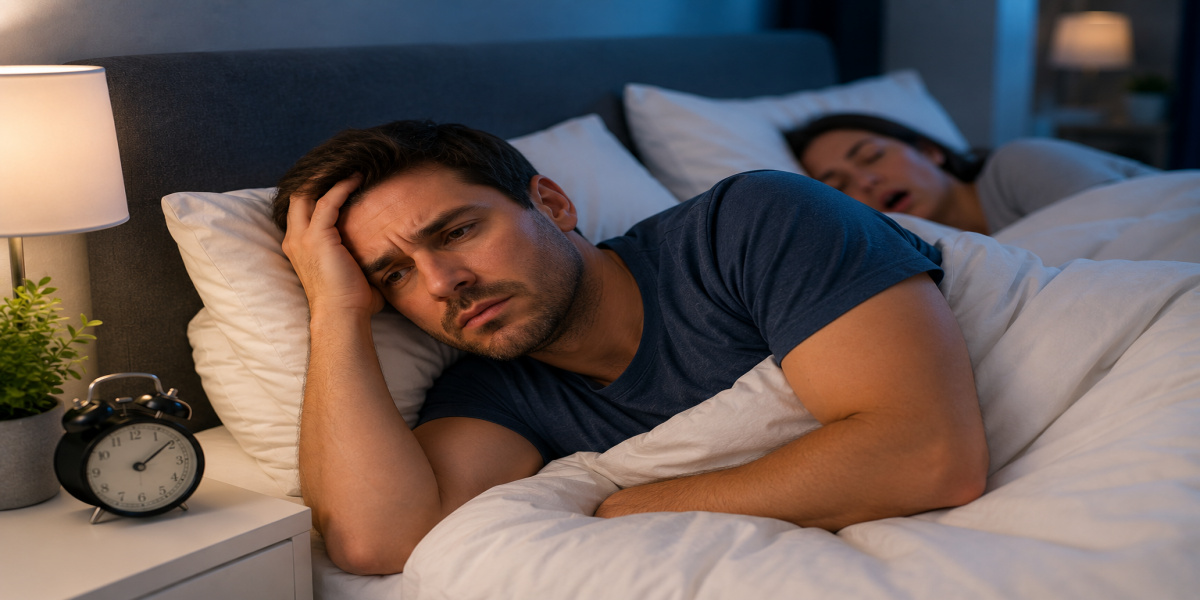
10. Your Partner Notices Breathing Pauses
Many people discover their sleep issues because a spouse or family member notices pauses in breathing during sleep.
When Should You Talk to a Healthcare Professional?
If several of these symptoms sound familiar, consider discussing your concerns with a healthcare professional or sleep specialist.
Final Thoughts
Sleep is one of the most important foundations of good health. Recognizing the warning signs of sleep apnea may help you take the first step toward better sleep, increased energy, and improved quality of life.
Better Sleep Starts with Awareness.
SEO Keywords: Sleep Apnea Symptoms, Signs of Sleep Apnea, Loud Snoring, Sleep Disorder, Daytime Fatigue, Better Sleep, Sleep Health, CPAP Therapy, Healthy Sleep Habits, Obstructive Sleep Apnea.
Share this article: